
Defect
Slay the Spire 2 Defect guide with builds, cards, and strategy.
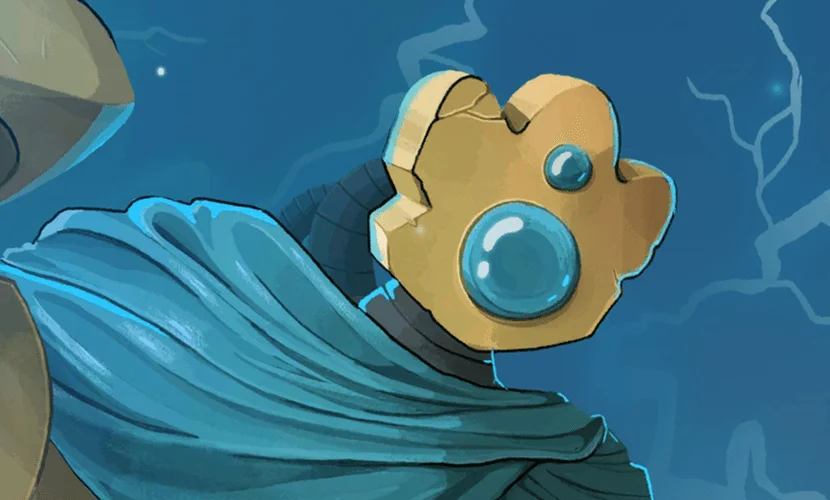
"An automaton eternally modifying itself to survive. Deploys Orb technology when it must fight."
An automaton eternally modifying itself to survive. Deploys Orb technology when it must fight.
Quick Answer
Defect is an automaton in Slay the Spire 2 with 75 HP that deploys Orbs (Lightning, Frost, Dark, Plasma) for passive damage and defense. Best builds focus on Focus scaling, multi-Orb channeling, or zero-cost Claw spam.
Starting Relic

At the start of each combat, Channel 1 Lightning. Can be replaced by Infused Core.
Strengths & Weaknesses
✦ Strengths
- Diverse playstyles from Orbs to Claw
- Strong Power card options for scaling
- Unique Orb mechanics for passive damage and defense
- Can heal after combat with Cracked Core upgrade path
✧ Weaknesses
- Less burst damage than other characters
- Requires setup time before engine produces value
- Some RNG elements with Orb channeling
- Juggling immediate benefit with long-term sustainability
Recommended Builds
Claw / Zero-Cost Engine
Stack Claw cards and play them repeatedly — each play permanently increases ALL Claw damage by +2 for the rest of combat. Scrape is the primary cycling tool for cheap cards, and All For One brings every 0-cost card back from discard for massive burst turns. Feral effectively doubles your 0-cost plays. Keep the deck thin so you consistently draw Claw and avoid bloating with cards that don't synergize.

 Attack
  Attack
 Deal 10 damage.
Put ALL 0 cards from your Discard Pile into your Hand.
 Attack
 Deal 7 damage.
Draw 4 cards.
Discard all cards drawn this way that do not cost 0 .
 Skill
Skill 
 Power
Power The first 1 you play a
0 Attack each turn,
return it to your Hand.

Every 4 cards you play, draw 1 card.

Every time you play 10 Attacks, gain .

Every time you play 3 Attacks in a single turn, gain 1 Strength.

Every time you play 3 Attacks in a single turn, gain 1 Dexterity.

At the start of each combat, add 2 zero-cost cards from your Draw Pile into your Hand.
Orb Engine
Channel Orbs, stack Focus through Defragment, and let passive effects do the work. Lightning deals damage each turn, Frost generates Block, and Dark charges for a massive Evoke burst. Glacier is your best early defensive pickup (6 Block + 2 Frost), while Multi-Cast Evokes your rightmost Orb multiple times — devastating with a charged Dark Orb. Capacitor adds Orb slots for more passive value every turn.
 Power
Power  Skill
Skill 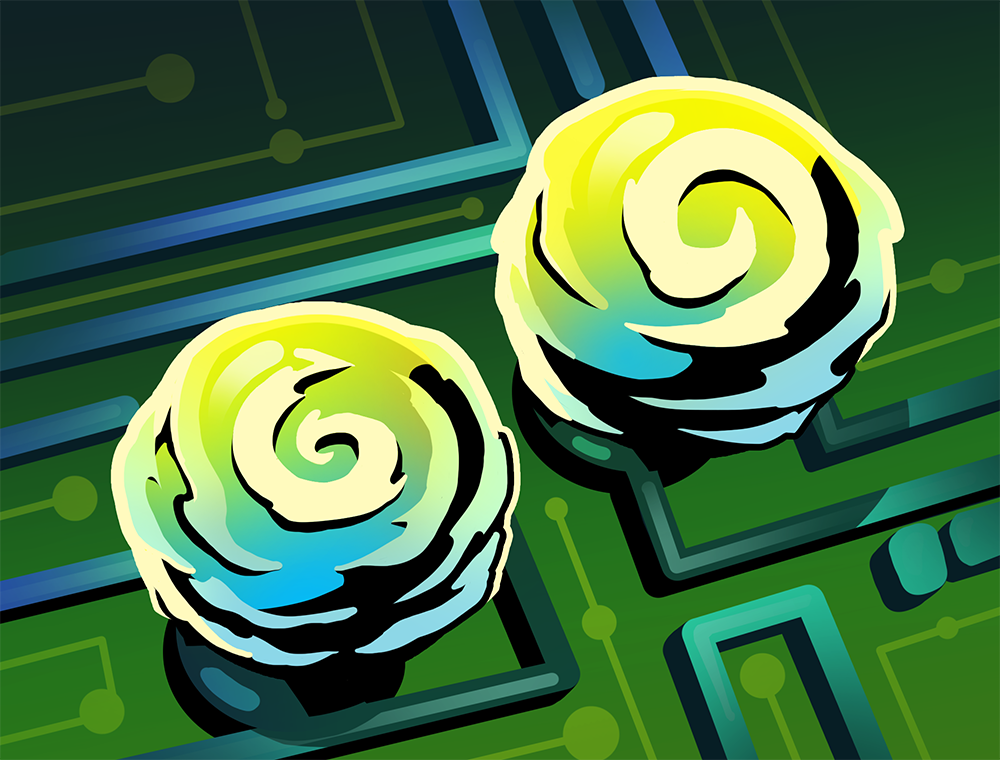 Power
Power  Skill
Skill  Skill
Skill 
Start each combat with 1 Focus.

If you lost HP during the previous turn, trigger the passive ability of all Orbs at the start of your turn.

Your rightmost Orb triggers its passive an additional time.

Start each combat with 3 additional Orb Slots.

The first time you Channel 7 Orbs each combat, deal 30 damage to ALL enemies.
Gameplay Guide
Core Mechanics
Orb System
Defect channels Orbs into slots above its head. Each Orb provides a passive effect every turn and a stronger Evoke effect when removed. Lightning deals 3+Focus damage to a random enemy passively, Frost generates 2+Focus Block, Dark accumulates 6 damage per turn until Evoked for a massive burst, Glass deals AoE damage that diminishes over time, and Plasma generates 1 Energy per turn. Managing your Orb slots is the core of every Defect strategy.
Focus Scaling
Focus is Defect's unique scaling resource in Slay the Spire 2. Every point of Focus increases both passive and Evoke effects for Lightning, Frost, Dark, and Glass Orbs. Defragment grants permanent Focus, making it one of Defect's most important Power cards. Even a small Focus investment (3-5) dramatically increases your Orb output — turning passive Lightning from chip damage into serious threat and Frost from minor Block into full-turn protection.
Channeling & Evoking
Channeling fills Orb slots from left to right. When all slots are full and you Channel a new Orb, the rightmost Orb is automatically Evoked (triggering its active effect) to make room. This creates a natural cycle: fill your slots, overflow them to Evoke for value, repeat. Capacitor adds more Orb slots for deeper passive scaling, while Multi-Cast Evokes your rightmost Orb multiple times — devastating with a fully-charged Dark Orb.
Zero-Cost Attacks (Claw Build)
An alternative to Orb strategies: ignore channeling entirely and stack zero-cost attacks led by Claw. Each time you play Claw, ALL copies of Claw permanently gain +2 damage for the rest of combat. Pair with All For One (returns all 0-cost cards from discard to hand) for repeatable burst turns. This build is simpler than Orbs but can be surprisingly effective, especially in Act 1 when Orb infrastructure hasn't developed yet.
Key Changes from STS1
Glass Orbs are new to Slay the Spire 2 — dealing Focus-scaled AoE damage that diminishes each turn. They fill a niche for crowd control but aren't a build-around. The Claw/zero-cost archetype received quality-of-life improvements with new synergy cards. Hailstorm (deal damage to all enemies if you have Frost) adds AoE to Frost builds without requiring Lightning. Loop now triggers at turn start instead of end, improving timing for burst setups.
Pro Tips
Decide early whether you're building around Orbs or Claw. Splitting between both leaves you with neither a strong engine nor strong aggro.
Frost buys time. If you're unsure what damage plan to pursue, start with Frost Orbs and Focus — the defense lets you figure out the rest of the run safely.
Don't draft scaling cards as if the engine already exists. Defect needs setup before payoff. Take the boring stability card over the exciting finisher if your board isn't ready.
Capacitor is almost always worth taking. More Orb slots improve every Orb strategy and make your passive scaling significantly stronger.
Position your Orbs deliberately. Dark Orbs charge more when left alone (not Evoked early), while Lightning and Frost want to cycle through Evoke regularly.
Mistakes to Avoid
Building around Dark Orbs without enough Frost to survive the charging period. Dark needs 3-5 turns to be worth Evoking, and you need to be alive for those turns.
Ignoring card cycling. When Defect hands feel random, it's usually because you built the payoff but forgot to build the draw that makes it consistent.
Taking too many Channel cards without enough Orb slots. Three slots fill up fast — you need Capacitor or careful slot management.
Overvaluing Plasma Orbs early. 1 extra Energy per turn sounds great, but a Frost Orb providing 5+ Block per turn is usually more valuable for survival.
Drafting expensive Power cards in Act 1. Defect needs tempo early. A 3-cost Power that takes a full turn to play is dangerous when enemies are hitting for 15+.
Co-op Multiplayer Role
In co-op, Defect excels as a support-damage hybrid. Frost Orbs provide consistent Block that keeps the team alive, while Lightning and Dark Orbs contribute passive and burst damage respectively. Tesla Coil (Lightning hits ALL enemies) makes Defect an excellent AoE damage source in multi-enemy fights. Defect pairs well with Regent (who needs time to set up Stars) and Ironclad (who provides frontline pressure while Defect scales).
Video Guide
10 Easy TIPS For DEFECT BUILDS in SLAY THE SPIRE 2
Defect Database
Frequently Asked Questions
How do I unlock Defect in Slay the Spire 2?
Play a run as the Necrobinder (win or lose). Defect unlocks after completing a Necrobinder run.
What is the best Defect build in Slay the Spire 2?
Frost + Focus Control is the most consistent build, providing massive passive Block through Frost Orbs scaled by Defragment. For burst damage, Dark Orb + Multi-Cast can deal 100+ damage in a single action.
How do Orbs work in Slay the Spire 2?
Orbs are channeled into slots above Defect. Each provides a passive effect every turn (Lightning: damage, Frost: Block, Dark: charges damage, Plasma: Energy). When a new Orb overfills your slots, the rightmost Orb is Evoked for a stronger active effect. Focus increases all Orb effects.
Is the Claw build viable in Slay the Spire 2?
Yes. Claw permanently gains +2 damage per play across all copies. Combined with All For One to recycle 0-cost cards, Claw builds can deal high sustained damage. They're simpler than Orb builds but may need Frost support for late-game defense.
What does Focus do in Slay the Spire 2?
Focus increases both passive and Evoke effects of all Orbs (except Plasma). Each point of Focus adds +1 to Lightning damage, Frost Block, Dark charge rate, and Glass damage. Defragment is the primary source of permanent Focus.